
Code Reading That Identifies Real Problems
Engine Diagnostics & Check Engine Light Service in Columbia and surrounding areas for vehicles displaying warning lights, rough idle, or reduced fuel efficiency
A check engine light appears when onboard sensors detect operating conditions outside programmed parameters—anything from a loose gas cap to misfiring cylinders triggers the warning. At Your Service Car Care LLC performs OBD-II computer diagnostics in West Columbia to read stored trouble codes, then uses those codes as starting points for physical inspection rather than treating them as final diagnoses. The mobile diagnostic service eliminates the need to drive a malfunctioning vehicle to a shop while the issue worsens.
Advanced scan tools pull both active and pending codes, display live sensor data streams, and reveal freeze frame information captured the moment a fault occurred. This data shows exactly what the engine was doing when the problem happened—RPM, load, temperature, and fuel trim values that guide diagnosis toward the actual failure instead of replacing parts randomly based on code descriptions alone.
Arrange a diagnostic scan to identify the specific sensor readings or system failures causing the warning light and receive clear recommendations for necessary repairs.
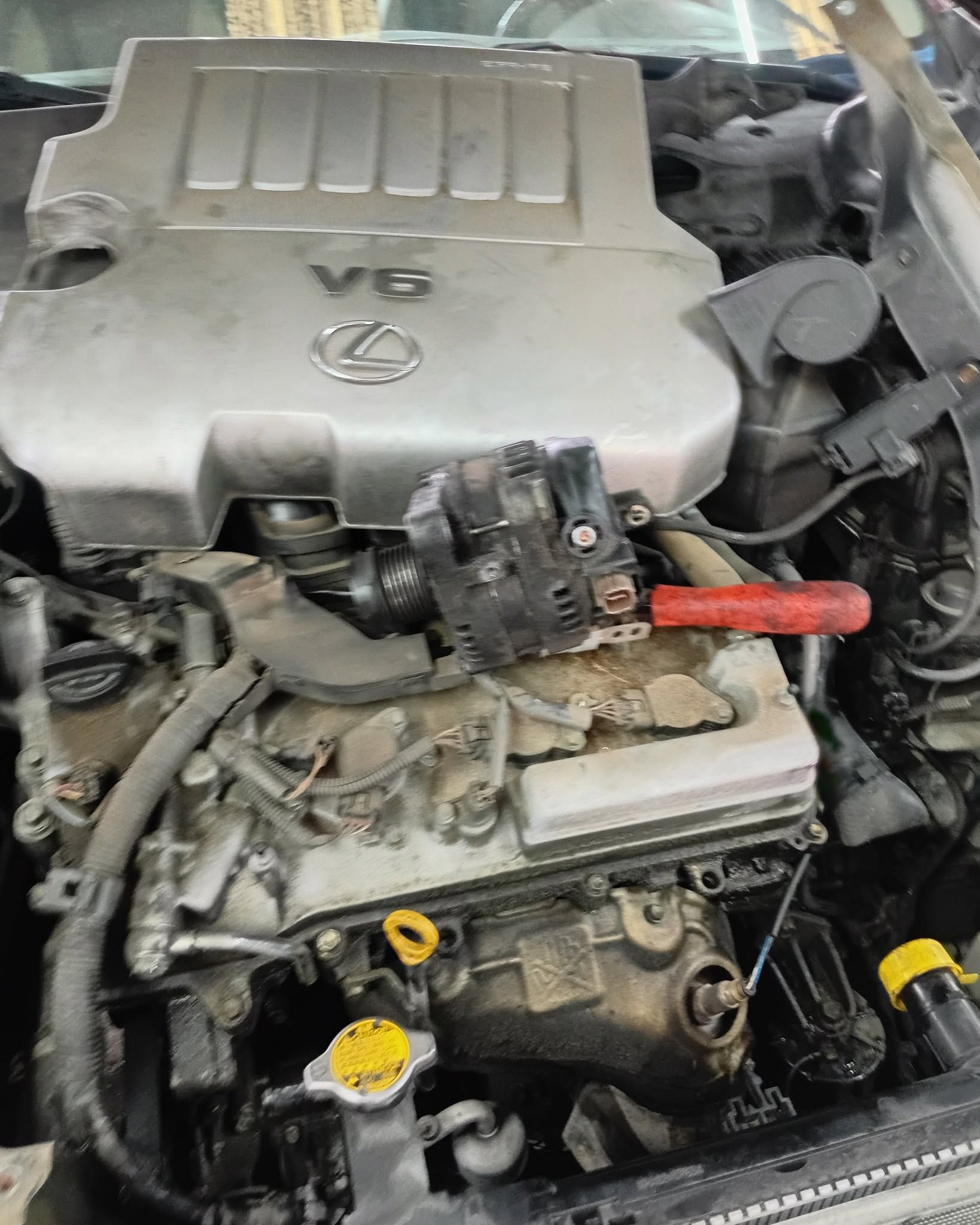
What Proper Diagnostics Require
Effective diagnosis combines code reading with physical verification of the components and systems flagged by those codes. A P0300 random misfire code could result from fouled spark plugs, weak ignition coils, low fuel pressure, vacuum leaks, or mechanical valve issues—the code identifies the symptom, but testing spark output, measuring fuel pressure, and checking compression reveals the cause. Sensor and module testing includes voltage checks, resistance measurements, and signal pattern verification using a multimeter or oscilloscope.
Once diagnosis is complete, you receive a written explanation of which components failed, what effect that failure has on engine performance, and what happens if repairs are delayed. Emissions system troubleshooting focuses on oxygen sensors, catalytic converter efficiency monitors, and evaporative leak detection, since these systems generate the majority of check engine codes but often confuse owners unfamiliar with emissions regulations.
The service identifies engine performance issues that may not trigger warning lights yet—subtle misfires, fuel trim imbalances, and timing variations that reduce power and fuel economy before reaching threshold levels that set codes. Electrical connection and wiring checks catch corroded terminals and chafed insulation that cause intermittent faults difficult to replicate during testing.
Answers to Frequent Service Questions
Engine diagnostic questions typically address what codes mean, how urgent repairs are, and whether the vehicle is safe to drive with the light on.
What does code reading actually tell you about the problem?
OBD-II codes identify which system or sensor reported abnormal operation, but they don't specify the failed component—a P0171 "system too lean" code could mean a vacuum leak, failing fuel pump, dirty mass airflow sensor, or exhaust leak upstream of the oxygen sensor. Diagnosis involves testing each potential cause until the actual failure is isolated.
How urgent is a check engine light compared to other warning lights?
A steady check engine light indicates a fault that affects emissions or performance but hasn't reached critical levels, meaning you can drive carefully while scheduling diagnosis. A flashing check engine light signals active misfires that damage the catalytic converter, requiring immediate shutdown to prevent expensive secondary failures.
Why do some codes return after being cleared?
Intermittent faults caused by failing components operating near threshold levels set codes, then clear when conditions change—a weak oxygen sensor might fail when hot but work when cool, setting a code that disappears by the time you reach the shop. These require live data monitoring during test drives to catch the fault as it occurs.
What information does freeze frame data provide?
When a fault first triggers, the engine computer records operating conditions at that exact moment—engine speed, load, temperature, fuel trims, and sensor voltages. This snapshot helps identify whether the problem happens during cold starts, highway cruising, hard acceleration, or idle, narrowing the diagnostic focus considerably.
Can diagnostics identify problems before they cause breakdowns?
Advanced scan tools display sensor values approaching failure thresholds even before codes set—oxygen sensors with slow response times, fuel trims compensating for vacuum leaks, or ignition coils with weak output. In West Columbia's heat and humidity, sensors degrade predictably, making trend analysis valuable for preventing roadside failures.
At Your Service Car Care LLC brings professional diagnostic equipment to your location throughout West Columbia, providing detailed analysis of engine management system faults without requiring you to leave the vehicle idling in a shop parking lot. Schedule an engine diagnostic scan to identify the root cause of warning lights or performance issues and receive a clear repair plan based on test results.