
Engine Efficiency That You Actually Notice
Tune-Up Services in Columbia and surrounding areas for vehicles with rough idle, poor acceleration, or declining fuel economy
Ignition components and engine filters degrade gradually, creating performance issues that develop so slowly you may not notice until acceleration feels noticeably weaker or fuel costs increase over several fill-ups. Spark plugs accumulate carbon deposits and electrode wear that weaken the spark, air filters become clogged with dust and debris that restrict airflow, and fuel filters trap contaminants that reduce fuel delivery pressure. At Your Service Car Care LLC performs tune-up services in West Columbia, replacing these wear items and cleaning intake components to restore the engine performance and efficiency your vehicle had when these parts were new.
The service includes spark plug inspection and replacement, air filter and fuel filter installation, throttle body cleaning to remove carbon buildup that restricts airflow, and fuel system cleaning that addresses injector deposits. Technicians also check ignition coils, inspect plug wires or coil-on-plug boots for cracks, and verify that the engine management system operates within normal parameters. This comprehensive approach addresses all the factors that affect combustion efficiency.
Schedule a tune-up evaluation based on your vehicle's mileage intervals or when you notice hesitation, rough idle, or reduced power during acceleration.
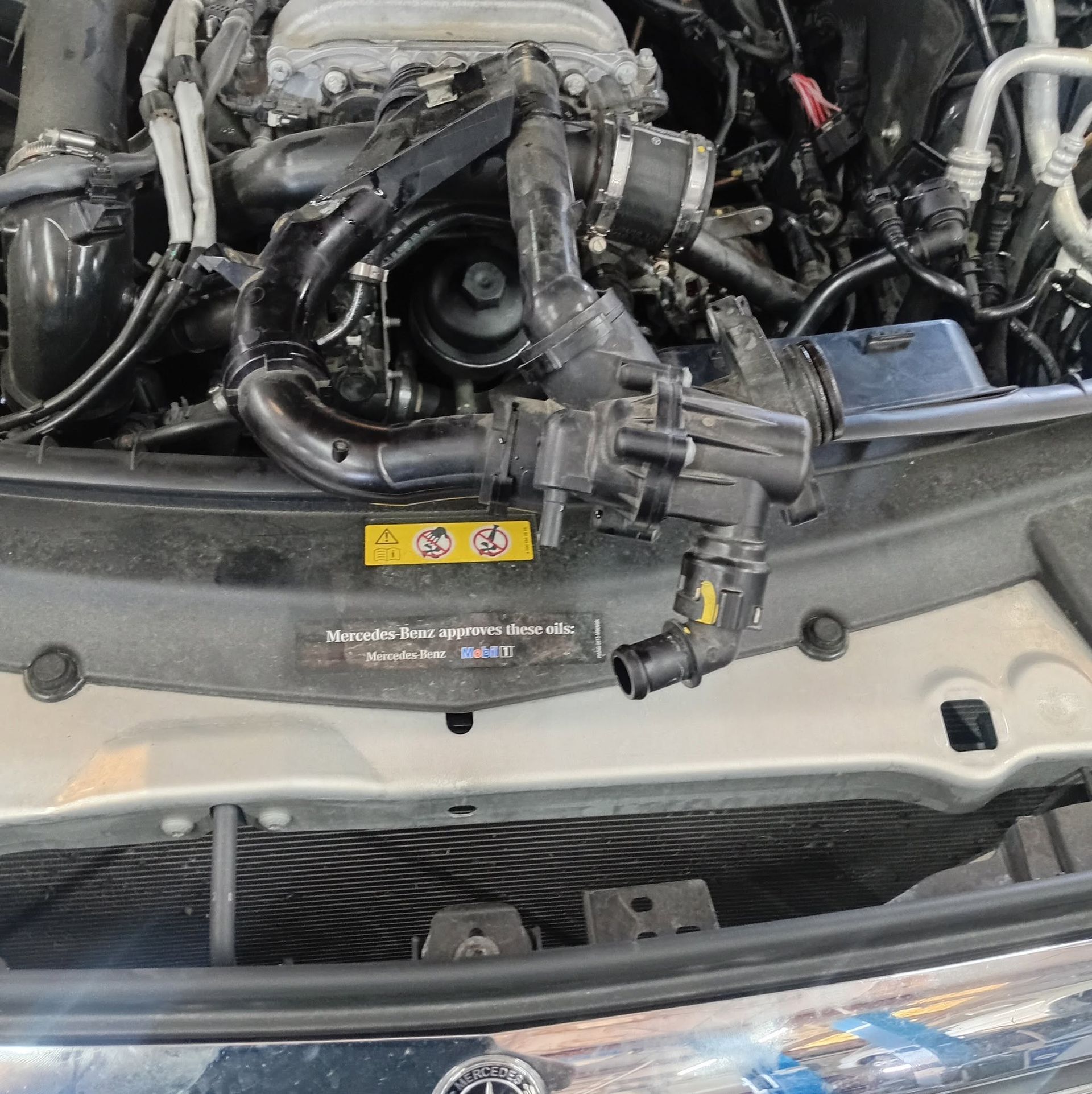
What Proper Tune-Up Service Requires
Spark plugs must be gapped correctly and torqued to specification to prevent misfires and ensure proper heat dissipation through the cylinder head. The air filter creates the correct air-fuel ratio when clean, but restriction from accumulated debris leans out the mixture and reduces power. Fuel filters prevent contaminants from reaching injectors, but partial clogging reduces fuel pressure below the level needed for complete combustion, especially during acceleration when fuel demand peaks.
After tune-up service is completed, you'll notice smoother idle without the shaking or vibration caused by misfiring cylinders, improved throttle response when you press the accelerator, and better fuel economy because the engine burns fuel completely rather than wasting it through incomplete combustion. The engine starts more easily, especially during cold mornings, and acceleration feels stronger because all cylinders fire with consistent timing and adequate fuel delivery. Dashboard warning lights related to misfire detection or oxygen sensor readings typically clear once the underlying cause is addressed.
Tune-up intervals depend on spark plug type, with conventional copper plugs requiring replacement every thirty thousand miles, platinum plugs lasting sixty thousand miles, and iridium plugs extending to one hundred thousand miles. Air and fuel filters need replacement more frequently in dusty conditions or when driving on dirt roads, regardless of the standard mileage recommendations.
Answers to Frequent Tune-Up Questions
Vehicle owners often want to understand what tune-up service includes, how it differs from basic maintenance, and when performance issues indicate the need for this work.
What symptoms indicate my vehicle needs a tune-up?
Rough idle that makes the steering wheel vibrate, hesitation when accelerating from a stop, reduced fuel economy compared to your normal averages, difficulty starting the engine, or a check engine light with misfire codes all point to ignition or fuel delivery issues addressed by tune-up service.
How does throttle body cleaning improve performance?
Carbon deposits accumulate on the throttle plate and bore from crankcase vapors recirculated through the intake system. These deposits restrict airflow and prevent the throttle plate from closing completely, causing high idle speed and affecting the engine management system's ability to control air-fuel ratios precisely.
Can a tune-up fix check engine lights related to misfires?
If the misfire stems from worn spark plugs, fouled ignition components, or restricted fuel delivery, replacing these items typically resolves the code. Misfires caused by compression loss, valve issues, or internal engine damage require more extensive diagnosis and repair beyond standard tune-up service.
What's the difference between a tune-up and regular oil changes?
Oil changes maintain lubrication and remove contaminants from engine oil, while tune-up service addresses the ignition and fuel systems that control combustion efficiency. Both are necessary maintenance, but they serve different functions and follow different intervals.
How quickly will I notice improved fuel economy after a tune-up?
Fuel economy improvements appear within the first tank of gas after service, assuming the previous components were significantly worn. The difference is most noticeable if you track mileage per tank consistently and compare before and after results.
At Your Service Car Care LLC brings tune-up service to your location, replacing spark plugs, filters, and addressing intake system deposits that prevent your engine from performing efficiently. Contact the service to arrange a tune-up appointment based on your vehicle's current condition and mileage history.